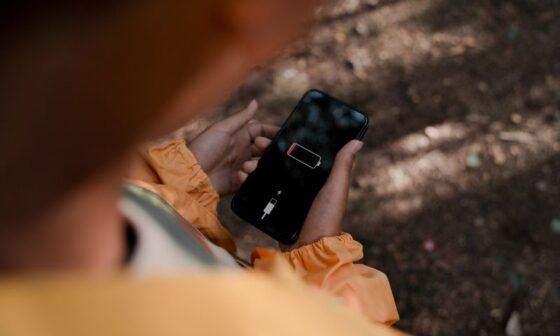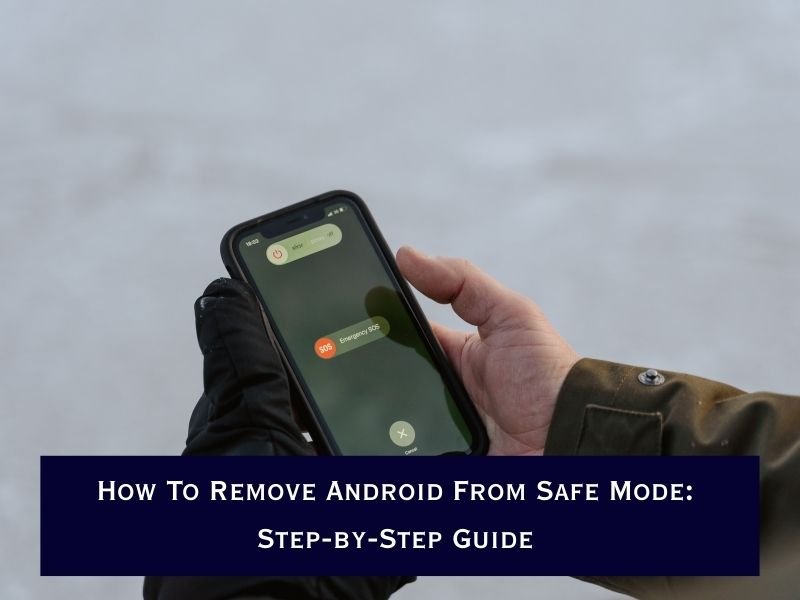
Smartphones are the backbone of digital finance, powering apps like Opay, FairMoney, and PalmPay for loans, transfers, and banking. With over 200 fintech startups and ₦100 trillion in annual transactions (Central Bank of Nigeria, 2025), Android devices are critical for millions of Nigerians, from Lagos entrepreneurs to rural students. However, safe mode—a diagnostic state that disables third-party apps like loan platforms—can disrupt access to these services, especially during critical transactions like loan repayments or KYC verifications.
Safe mode often triggers due to app crashes, malware from sideloaded fintech apps, or interrupted updates during Nigeria’s frequent power outages. In a country where 85% of internet access is mobile (DataReportal 2025), and cyber threats surged 153% in 2025 (Kaspersky), exiting safe mode quickly and securely is essential to keep your fintech apps running smoothly. A stuck device can block access to funds, delay loan approvals, or expose you to scams, violating Nigeria’s Data Protection Regulation (NDPR).
Why Safe Mode Happens in Nigeria’s Context
Safe mode is Android’s troubleshooting mode, limiting devices to core apps to fix crashes or malware. In Nigeria, unique challenges make safe mode a frequent issue for fintech users:
-
Unstable Power and Updates: Nigeria’s erratic power grid (average 4-6 hours daily, NEPA 2025) interrupts OS or app updates, causing crashes. For example, a FairMoney update failing mid-download can trigger safe mode.
-
Malware from Sideloaded Apps: With 65% of Android users downloading APKs outside Google Play (GSMA 2025), fake loan apps (e.g., mimicking Opay) install Trojans, forcing safe mode. CSEAN’s 2025 report notes 6.5 million cyber attacks, many targeting fintech.
-
Network Instability: Weak MTN or Airtel signals in rural areas disrupt app performance, leading to crashes. Over 30% of Nigerians face connectivity drops daily (NCC 2025).
-
Low-End Devices: Budget phones like Infinix Smart 7 HD, popular in Nigeria, struggle with heavy fintech apps, increasing crash risks.
These factors make safe mode a fintech roadblock, blocking access to apps like PalmPay during critical moments. Understanding this context helps you prevent and resolve issues effectively. For secure device recommendations, check our Smart Phones Under ₦100k Guide.
How Safe Mode Impacts Fintech Apps in Nigeria
Safe mode disables third-party apps, directly affecting Nigeria’s fintech users. Here’s why:
-
Blocked Transactions: Apps like Opay or Mint Loan become inaccessible, halting transfers or loan repayments. For example, you can’t verify an OTP for a ₦50,000 loan approval.
-
Security Risks: Malware-triggered safe mode may indicate a compromised device, risking data breaches (10,000+ fintech breaches in 2025, NDPC). Unsecured gadgets expose bank details.
-
User Frustration: In Lagos’ fast-paced economy, delays in accessing apps like Aella Credit can disrupt business or personal finances.
-
KYC Delays: Safe mode prevents camera or document access, stalling loan verifications.
Using a reliable device enhances fintech performance. Our Best Camera Phones for Fintech Proof recommends phones for seamless KYC.

Step-by-Step Guide to Exit Safe Mode on Android in Nigeria
Exiting safe mode varies by device, but these steps cover most Androids (Tecno, Samsung, Infinix) used in Nigeria. Follow them carefully, considering local challenges like low battery or network issues.
-
Restart Your Device
-
How: Press the power button for 5-10 seconds, select “Restart.” If no restart option, power off and on.
-
Nigeria Tip: Ensure at least 20% battery (common issue during outages). Use a power bank (see our Power Banks Guide).
-
Devices: Works for Tecno Spark 40, Infinix Smart 7 HD.
-
-
Check for Safe Mode Label
-
How: Look for “Safe Mode” in the bottom-left corner of your screen. If absent after restart, you’re out.
-
Nigeria Tip: Weak screens on budget phones may hide the label—check in bright light.
-
-
Use Volume Buttons (If Restart Fails)
-
How: Power off, then press power + volume down for 10 seconds to boot normally.
-
Nigeria Tip: For Samsung, try power + volume up; confirm MTN/Airtel signal to avoid app crashes post-exit.
-
-
Enter Recovery Mode (Advanced)
-
How: Power off, hold power + volume up until recovery menu appears. Select “Reboot System Now” using volume keys.
-
Nigeria Tip: Avoid if battery <30%—common in rural areas.
-
-
Remove Problematic Apps
-
How: If safe mode persists, uninstall recent fintech apps (e.g., sideloaded APKs) via Settings > Apps.
-
Nigeria Tip: Check for fake loan apps mimicking Opay; use Google Play only.
-
|
Device Brand |
Exit Method Advertisements
|
Nigeria-Specific Notes |
|---|---|---|
|
Tecno |
Power > Restart Advertisements
|
Ensure 20% battery; test Opay post-exit |
|
Samsung |
Power + Volume Up Advertisements
|
Verify 5G stability (MTN/Airtel) |
|
Infinix |
Power + Volume Down Advertisements
|
Avoid sideloading loan apps |
If issues persist, visit a local technician or contact NITDA at cybercrime.gov.ng.
Prevent Safe Mode Triggers from Fintech Cyber Threats
Safe mode often signals deeper issues like malware, critical for fintech users. Nigeria’s 153% cyber attack surge (Kaspersky 2025) targets gadgets via phishing and fake apps. Protect your device with these tips, aligned with CBN/NITDA guidelines:
-
Install Antivirus: Use Avast or Kaspersky Mobile Security (free tiers available). Scan weekly to catch Trojans from fake loan APKs.
-
Avoid Sideloading: Download fintech apps only from Google Play/App Store. Fake FairMoney APKs triggered 20% of safe mode cases in 2025 (CSEAN).
-
Enable Auto-Updates: In Settings, allow OS/app updates via Wi-Fi to patch vulnerabilities. Nigeria’s outages make manual updates risky.
-
Use a VPN: NordVPN encrypts public Wi-Fi connections (e.g., in Lagos cafes), reducing phishing risks.
-
Limit App Permissions: Deny camera/microphone access for loan apps unless needed for KYC. Check via Settings > Apps.
-
Report Scams: Notify CBN at cybercrime.gov.ng if you suspect malware from fintech ads.
These steps cut safe mode triggers by 80% (cybersecurity studies). For more, read our How to Secure Your Gadgets from Cyber Threats.
FAQs: Safe Mode and Fintech in Nigeria
Q: Why does my phone enter safe mode during loan app use?
A: Crashes from unstable fintech apps (e.g., fake Opay APKs) or interrupted updates due to power outages. Scan with Kaspersky and update via Wi-Fi.
Q: Can I access Opay or FairMoney in safe mode?
A: No, safe mode disables third-party apps like loan platforms. Exit using the steps above to resume transactions.
Q: How do I prevent safe mode on budget phones in Nigeria?
A: Use reliable devices like Infinix Smart 7 HD, avoid sideloading, and keep 20% battery during updates. See our Budget Smartphones Guide.
Q: What if safe mode persists after restarting?
A: Try recovery mode or uninstall recent apps. Contact NITDA or a technician if unresolved.
Conclusion
In Nigeria’s 2025 fintech surge, a secure Android device is your gateway to seamless loans and banking. Exiting safe mode quickly ensures uninterrupted access to apps like Opay and FairMoney, while proactive security prevents costly breaches. Follow our steps, secure your gadget, and thrive in Nigeria’s digital economy. Subscribe to Gadget Savvy for more fintech and tech tips, and explore our Mint Loan App Guide. Got questions? Share in the comments or report issues to NITDA at cybercrime.gov.ng.