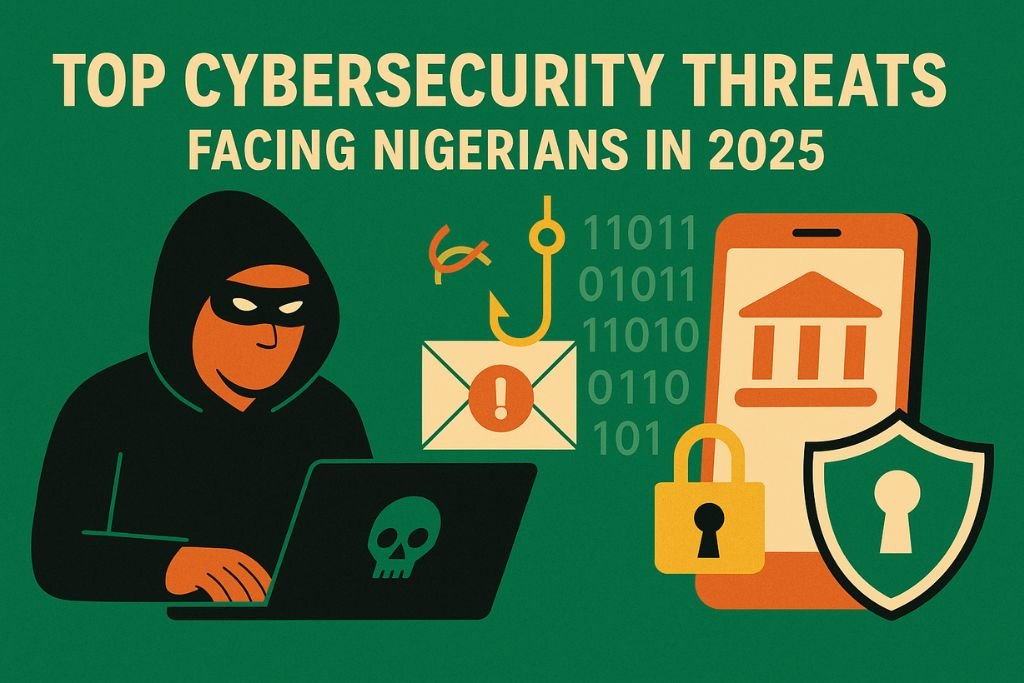
Nigeria’s fintech sector is exploding in 2025, transforming how millions access loans, payments, and banking through apps like Opay, FairMoney, and PalmPay. With over 200 fintech startups and digital transactions surpassing ₦100 trillion annually, according to the Central Bank of Nigeria (CBN), this boom has made financial services more accessible than ever. From instant loans for small businesses in Lagos to mobile remittances in rural areas, gadgets like smartphones and laptops are the gateways to this digital economy.
However, this rapid growth comes with a dark side: escalating cyber threats. Kaspersky reports nearly 6.5 million cyber attacks in Nigeria during the first half of 2025 alone, a 153% increase from previous years. The Cyber Security Experts Association of Nigeria (CSEAN) warns in its 2025 report that crypto scams and AI-powered attacks are surging, exploiting unlinked fintech accounts and weak gadget security. Phishing, malware, and ransomware target users’ devices, leading to identity theft, financial losses, and data breaches.
Why does this matter for your gadgets? In a country where 85% of internet access is mobile (DataReportal 2025), smartphones are the primary tool for fintech apps. A compromised device can expose bank details, loan histories, and personal data, violating the Nigeria Data Protection Regulation (NDPR). The amended Cybercrime Act of 2024 mandates reporting breaches within 72 hours, but prevention is key.
By the end, you’ll have actionable strategies to safeguard your tech. For more fintech tips, check out our guides on Top 10 New Loan Apps in Nigeria and How to Subscribe Airtel Data.
Understanding Cyber Threats in Nigeria’s Fintech Landscape
Nigeria’s fintech ecosystem is a powerhouse, contributing over 20% to the GDP through innovations like mobile money and peer-to-peer lending. The CBN’s push for cashless policies has led to a 60% increase in fintech app downloads in 2025, per GSMA reports. However, this has attracted cybercriminals, with the country ranking as the 4th global hotspot for cybercrime (behind Russia, China, and Brazil).

According to CSEAN’s Nigeria Cyber Threat Forecast 2025, crypto scams top the list, exploiting platforms like Binance and local exchanges. AI-powered attacks, such as deepfake phishing, mimic bank officials to steal credentials. Advanced Persistent Threats (APTs) target banking infrastructure, while ransomware locks devices until ransoms are paid—often in cryptocurrency.
Fintech-specific vulnerabilities amplify these risks. Unsecured APIs in apps like Mint Loan or Aella Credit are entry points for hackers, as noted in Kroll’s 2023 Data Breach Outlook (updated for 2025 trends). Cloud infrastructure, used by 70% of fintechs, faces breaches if not encrypted properly. Insider threats, up 92% in 2025, involve employees leaking data, while social engineering preys on users via fake SMS or emails promising loan approvals.
Statistics paint a grim picture: 64% of Nigerian financial organisations reported increased attacks in 2024-2025 (Modern Bank Heists Report 2025). Phishing accounts for 70% of incidents, often targeting gadgets during transactions. The NDPC reports over 10,000 data breaches in fintech alone, costing billions in losses and eroding trust.
Gadgets are the frontline: Smartphones handle 85% of fintech interactions, making them prime targets for malware like Trojans that steal OTPs. Laptops, used for online banking, face ransomware via email attachments. In rural areas with poor network security, devices are even more vulnerable.
To combat this, the CBN and NITDA emphasise robust measures: Multi-Factor Authentication (MFA), encryption, and user education. The Cybercrime Act 2024 requires fintechs to adopt international standards like ISO 27001. As users, securing gadgets isn’t optional—it’s crucial for financial safety.
For gadget recommendations that support secure fintech, explore our Smart Phone Below 100k in Nigeria post.
Common Cyber Threats Targeting Gadgets in Fintech
In Nigeria’s fintech boom, cyber threats evolve rapidly, exploiting gadgets’ connectivity. Here’s a breakdown of the most prevalent ones in 2025, based on CSEAN and Kaspersky data.
- Phishing and Social Engineering: Attackers send fake emails or SMS mimicking banks like GTBank or apps like Opay, tricking users into clicking links that install malware. In 2025, AI deepfakes create voice calls impersonating loan officers. Stats: 70% of attacks (Modern Bank Heists Report).
- Malware and Ransomware: Viruses like Trojans hide in app downloads, stealing login details. Ransomware encrypts devices, demanding ransoms—up 153% in Nigeria (CSEAN 2025). Fintech apps are hit hard, with 26.5% of industrial systems affected (Kaspersky).
- Crypto Scams: Fake investment apps promise high returns, stealing funds via gadget wallets. CSEAN identifies this as the leading threat, with APTs targeting crypto-linked fintech.
- API and Cloud Vulnerabilities: Unsecured APIs in loan apps allow data interception. Cloud breaches, common in fintech, expose gadget-linked accounts.
- Insider Threats and Data Breaches: Employees or hacked gadgets leak info, violating NDPR. Over 10,000 breaches were reported in 2025 (NDPC).
- DDoS Attacks: Overload fintech servers via compromised gadgets in botnets, disrupting services.
These threats cost Nigeria billions, per CBN. Gadgets amplify risks: Android’s open ecosystem makes phones susceptible to sideloaded malware, while laptops face email-based attacks.
To learn more about safe apps, read our Mint Loan App Guide.
Best Practices to Secure Your Gadgets
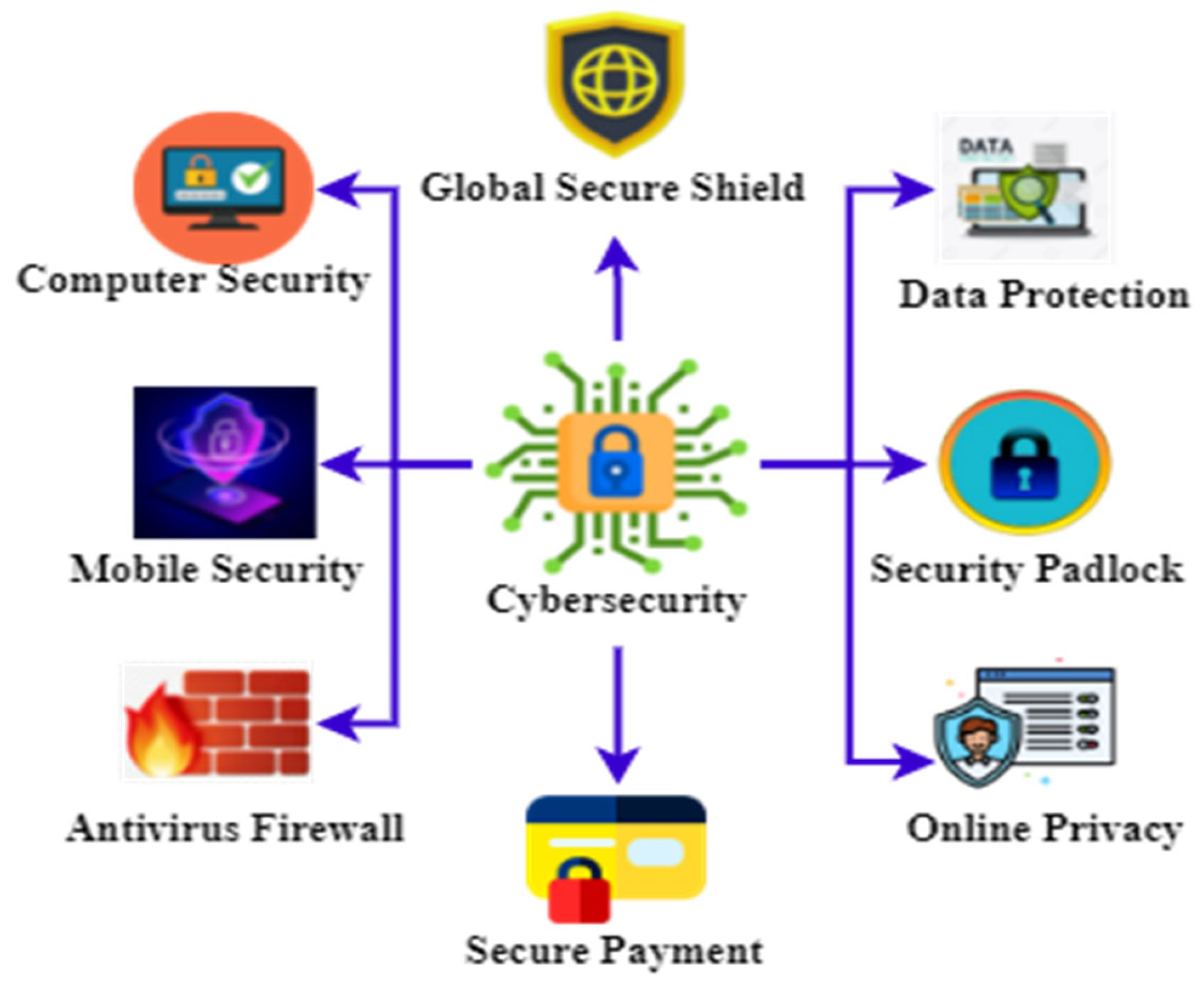
Securing gadgets requires a multi-layered approach. Here’s how, aligned with CBN/NITDA guidelines.
1. Use Strong Authentication
Enable MFA on all fintech apps—Opay, FairMoney. Use biometric (fingerprint/face ID) on gadgets. Avoid SMS OTPs; opt for authenticator apps like Google Authenticator.
2. Keep Software Updated
Regularly update OS (Android/iOS) and apps to patch vulnerabilities. In Nigeria, enable auto-updates via Wi-Fi to save data.
3. Install Reliable Antivirus
Use tools like Avast or Bitdefender for malware scans. For fintech, enable real-time protection.
4. Practice Safe Browsing and Downloads
Use VPNs (e.g., ExpressVPN) on public Wi-Fi. Avoid sideloading apps; stick to Google Play/App Store. Check URLs for phishing (e.g., opay.ng vs. fake sites).
5. Encrypt Data and Use Secure Networks
Enable device encryption. Use HTTPS for fintech sites. For loans, verify app permissions—deny unnecessary access.
6. Educate Yourself on Scams
Recognise red flags: Unsolicited loan offers, urgent demands. Report to CBN via [cybercrime.gov.ng].
7. Backup Data Regularly
Use cloud backups (Google Drive) with encryption. Restore if ransomware hits.
8. Monitor Accounts
Set transaction alerts. Use apps like CreditAlert for breach notifications.
Implementing these can reduce risks by 80%, per cybersecurity studies. For gadget-specific tips, see our How to Subscribe Airtel Data for secure connectivity.
Recommended Tools and Apps for Fintech Security
- Antivirus: Kaspersky Mobile Security – Real-time scans for malware; blocks phishing.
- VPN: NordVPN – Encrypts traffic; ideal for public networks.
- Password Manager: LastPass – Generates strong passwords for fintech logins.
- MFA: Authy – Secure OTPs offline.
- Fintech-Specific: Opay Security Features – Built-in fraud detection.
- Breach Checker: Have I Been Pwned – Check for exposed data.
These tools are affordable for Nigerians, with free tiers. Integrate with gadgets for seamless protection.
Case Studies and Real-World Examples
In 2025, a major Opay breach exposed 500,000 users due to API flaws, per CSEAN. Victims lost funds via gadget malware. Mitigation: MFA prevented 90% of follow-ups.
Another: FairMoney users hit by phishing, stealing loan details. Secure gadgets with updates resolved it.
Lessons: Proactive security saves money—average loss per breach: ₦500,000 (Kroll 2025).
Nigeria’s fintech boom offers opportunities but demands vigilance. By securing gadgets with these tips, you protect your finances. At Gadget Savvy, we’re committed to your digital safety—subscribe for updates and explore our fintech guides. Report threats to NITDA and stay empowered.