In 2025, your smartphone is a powerhouse of entertainment—packed with 4K videos, streaming apps like Netflix, and personal photos begging for a bigger screen. But watching on a small display during movie nights or family gatherings? That’s not cutting it. Connecting your phone to your TV unlocks a cinematic experience, letting you stream, share, or game on a grand scale. Whether you’re an Android user with a Samsung Galaxy S25 or an iPhone 16 enthusiast, this guide from Gadget Savvy breaks down the easiest ways to connect your phone to your TV, wired or wirelessly, with practical tips to ensure a seamless setup.
We’re committed to honest, user-focused tech advice. This step-by-step guide covers the latest methods for mirroring or casting your phone to your TV, tailored for both smart and non-smart TVs. From Google Cast to Apple AirPlay 2, and budget-friendly adapters to streaming dongles, we’ve tested these solutions to help you make smarter tech choices. Let’s dive into how you can connect your phone to your TV in minutes and elevate your viewing experience.
Why Connect Your Phone to Your TV?
Before we explore the methods, here’s why connecting your phone to your TV is a game-changer in 2025:
-
Immersive Entertainment: Stream high-quality content from apps like YouTube or Disney+ on a larger screen with crisp visuals and sound.
-
Effortless Sharing: Display photos, videos, or presentations for friends, family, or work without cumbersome transfers.
-
Smart TV Upgrade: Transform older TVs into smart hubs using affordable devices like Chromecast or Roku.
-
Control and Convenience: Use your phone as a remote to navigate apps seamlessly, saving time and hassle.
With over 3 billion active Android devices and iPhones dominating the premium market, built-in technologies like Google Cast and AirPlay 2 make connecting easier than ever. Wi-Fi 6E advancements ensure smooth, lag-free streaming. Let’s explore the top methods to connect your phone to your TV.
Method 1: Wireless Screen Mirroring (Easiest for Most Users)
Wireless connections are the go-to in 2025 for their simplicity and cable-free setup. Screen mirroring displays your entire phone screen on the TV, while casting sends specific app content. Both require your phone and TV to be on the same Wi-Fi network.
For Android Phones (Google Cast or Miracast)
Android devices, like the Google Pixel 9 or Samsung Galaxy S25, come with built-in casting via Google Cast or Miracast for full-screen mirroring.
-
Set Up Devices: Ensure your Android phone and smart TV (e.g., Samsung, LG, or Sony) are connected to the same Wi-Fi network. On your TV, navigate to Settings > Network > Screen Mirroring (menu names vary by brand).
-
Enable Casting: Swipe down from your phone’s top to access Quick Settings. Tap “Cast” or “Smart View” (Samsung devices).
-
Select Your TV: Choose your TV from the list of devices. If prompted, enter the PIN displayed on the TV screen.
-
Mirror or Cast Content: For full mirroring, select “Cast Screen.” For apps like YouTube, Netflix, or Spotify, tap the Cast icon within the app to stream specific content.
-
Disconnect: When done, tap the Cast icon and select “Disconnect” to stop sharing.
Pro Tip: If your TV isn’t smart, invest in a $30 Chromecast with Google TV. It supports 4K HDR and over 3,000 apps, including Hulu and Prime Video, with Google Assistant for voice control. Check our Chromecast Review for details.
Troubleshooting: Experiencing lag? Restart your router or switch to a 5GHz Wi-Fi band. If your TV doesn’t appear, ensure your phone is updated to Android 15 and check TV firmware via Settings > System > Update.
For iPhones (AirPlay)
Apple’s AirPlay 2, available on iOS 18+, makes mirroring or casting from iPhone 16, 15, or older models a breeze on compatible TVs or Apple TV 4K.
-
Connect to Wi-Fi: Confirm your iPhone and AirPlay-compatible TV (LG OLED, Samsung QLED, or Apple TV) are on the same network.
-
Access Control Centre: Swipe down from the top-right corner (or up on older iPhones with a home button).
-
Start Mirroring: Tap the Screen Mirroring icon and select your TV. Enter the AirPlay code shown on the TV if required.
-
Stream or Mirror: For app-specific casting (e.g., Apple TV+), tap the AirPlay icon in the app. For full-screen mirroring, use the Screen Mirroring option.
-
Stop Mirroring: Tap the AirPlay icon in Control Centre and select “Stop Mirroring.”
Pro Tip: AirPlay 2 now supports more TVs from Sony, Vizio, and TCL in 2025. For non-compatible TVs, the $129 Apple TV 4K adds Thread support for smart home integration. See our Apple TV 4K Review.
Troubleshooting: No AirPlay devices found? Ensure both devices are signed into the same iCloud account for seamless pairing. Update to iOS 18.1 for improved compatibility.
Method 2: Wired Connection (Best for Zero Latency)
Wired connections are ideal for stable, lag-free performance, especially for gaming or offline use. They require an adapter and an HDMI cable, but work with any TV.
For Android Phones (USB-C to HDMI)
Most 2025 Android phones (e.g., Samsung Galaxy S25, Google Pixel 9) support USB-C with DisplayPort Alt Mode for video output.
-
Gather Equipment: Purchase a USB-C to HDMI adapter ($10-20 on Amazon) and an HDMI cable.
-
Connect Devices: Plug the adapter into your phone’s USB-C port, then connect the HDMI cable to your TV’s HDMI input.
-
Select TV Input: Use your TV remote to switch to the correct HDMI port (e.g., HDMI 1 or 2).
-
Start Mirroring: Your phone’s screen should mirror automatically. If not, enable “USB Debugging” (Settings > About Phone > Tap Build Number 7x > Developer Options).
-
Disconnect Safely: Power off your phone before unplugging to avoid port damage.
Pro Tip: Most USB-C Androids support up to 4K output. For older Micro-USB phones (rare in 2025), an MHL adapter may work but requires external power. Verify compatibility on GSMArena.
Troubleshooting: No display? Confirm your phone supports video output (not all budget models do). Use a high-quality adapter to avoid signal issues.
For iPhones (Lightning/USB-C to HDMI)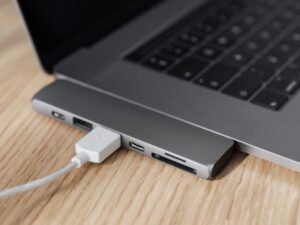
iPhone 15 and 16 use USB-C; older models require a Lightning adapter.
-
Get the Right Adapter: Use Apple’s Lightning Digital AV Adapter ($49) for older iPhones or a USB-C to HDMI adapter for newer models.
-
Connect: Plug the adapter into your iPhone, then connect the HDMI cable to your TV.
-
Switch Input: Select the appropriate HDMI input on your TV.
-
Mirror Screen: Your iPhone’s screen should appear instantly. Charge via the adapter’s extra port if needed.
-
Disconnect: Stop mirroring via Control Centre and unplug carefully.
Pro Tip: Apple’s adapter supports up to 1080p; for 4K, use an iPhone 16 Pro with a USB-C adapter. Avoid third-party adapters to prevent compatibility issues.
Troubleshooting: Blurry or no video? Use a certified Apple adapter—cheap knockoffs often fail. Check TV resolution settings for optimal output.
Method 3: Using Streaming Devices (Perfect for Non-Smart TVs)
If your TV lacks built-in casting, streaming devices like Chromecast, Roku, or Amazon Fire TV Stick are affordable upgrades, transforming any TV into a smart one.
-
Chromecast with Google TV ($30-50): Plug into HDMI, set up via the Google Home app, and cast from Android or iOS. The 2025 model offers AI-enhanced upscaling for sharper visuals.
-
Roku Streaming Stick 4K ($30): Supports AirPlay and Miracast, ideal for both iPhone and Android users. Easy setup via the Roku app.
-
Amazon Fire TV Stick 4K ($40): Great for Android mirroring; iOS users can use apps like AirDroid Cast for cross-platform support.
Setup Time: 5-10 minutes via respective apps.
Best For: Budget-conscious users or older TVs without Wi-Fi.
Pro Tip: Compare these in our Top Streaming Devices Review to find the best fit for your setup.
Troubleshooting Common Connection Issues
-
No Connection: Restart your phone, TV, and router. Ensure both devices are on the same Wi-Fi network (2.4GHz or 5GHz).
-
Laggy Streaming: Switch to a 5GHz Wi-Fi band, close background apps, or move devices closer to the router.
-
Audio Sync Issues: Set TV audio output to “TV Speakers” in your phone’s settings. For wired, check HDMI cable quality.
-
Device Not Found: Update your phone (Android 15/iOS 18.1) and TV firmware. Reset streaming devices if using dongles.
-
Security Note: Avoid casting on public Wi-Fi to protect your data. Use apps like AirDroid Cast ($2.99/month) for secure cross-platform mirroring.
For more tech solutions, explore our Latest Gadget Reviews.
Which Method Is Right for You?
-
Wireless (Casting/AirPlay): Best for smart TVs and convenience. Ideal for streaming apps or casual use. Cost: $0 (if TV supports it) or $30-50 for a dongle.
-
Wired (HDMI): Perfect for gaming, offline use, or non-smart TVs. Offers zero lag but requires adapters ($10-49).
-
Streaming Devices: Great for older TVs or cross-platform needs. Budget-friendly and versatile.
In 2025, wireless methods dominate due to Wi-Fi 6E and app integrations, but wired connections remain reliable for specific use cases like presentations. Check your phone’s specs (e.g., USB-C video output) and TV capabilities before choosing.
Conclusion
Connecting your phone to your TV in 2025 is a breeze, whether you opt for wireless casting with Google Cast or AirPlay, a wired HDMI setup, or a streaming device like Chromecast. These methods unlock a world of entertainment, from streaming 4K movies to sharing memories on a big screen. At Gadget Savvy, we test these solutions to deliver practical, unbiased advice that saves you time and money.
Struggling with your setup? Drop a comment below or subscribe for free tech updates to stay ahead. What’s your favourite way to connect your phone to your TV? Share your tips!